TrendyTadka Learning Library

Indian Food Comparisons

Choose between similar dishes with fewer surprises.

The most useful comparison is not which dish is “better.” It is how the choices differ in texture, richness, common ingredients, cooking method, and the role they play in a meal.

Start here

Comparison starting points

Short explanations now; deeper guides will be added as the library grows.

01
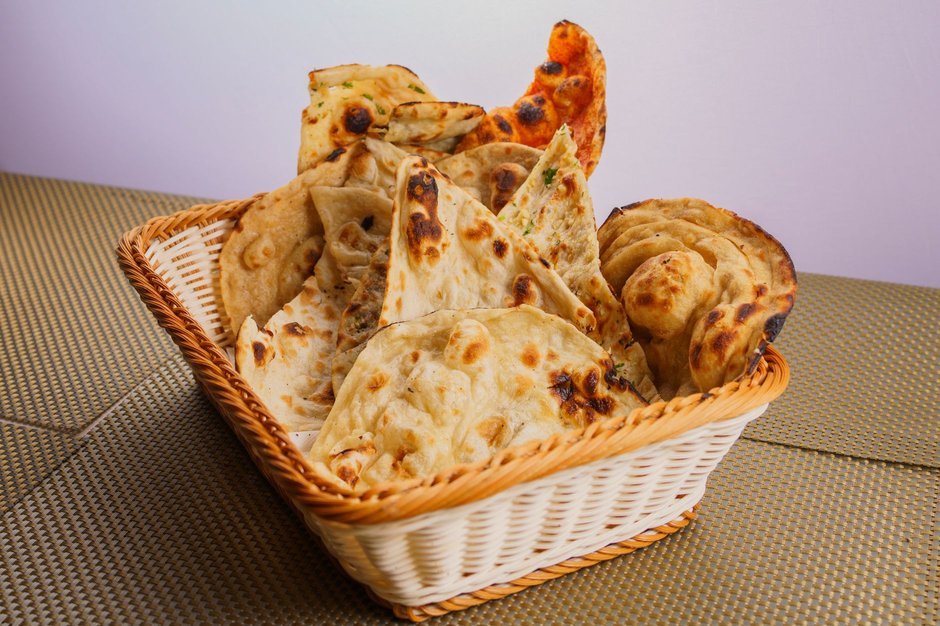
Assorted Indian flatbreads like naan and roti

Naan vs. roti

Both are flatbreads, but ingredients, cooking method, thickness, and everyday use are different.

02
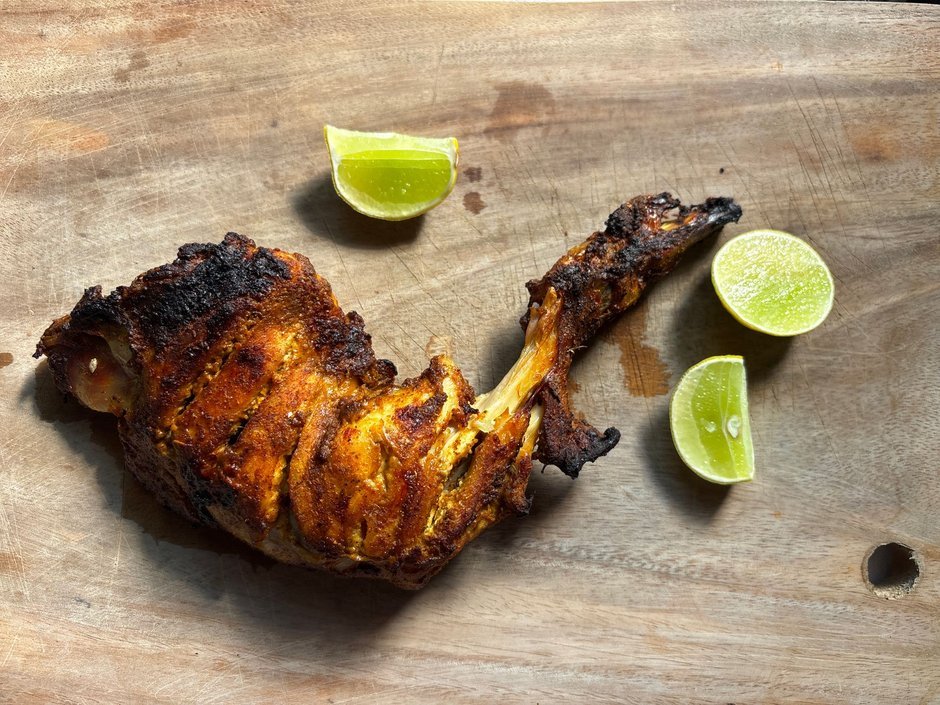
Spiced tandoori chicken on wooden board

Tikka vs. tandoori

These terms overlap around marination and high heat, but one often signals pieces while the other emphasizes the cooking style.

03
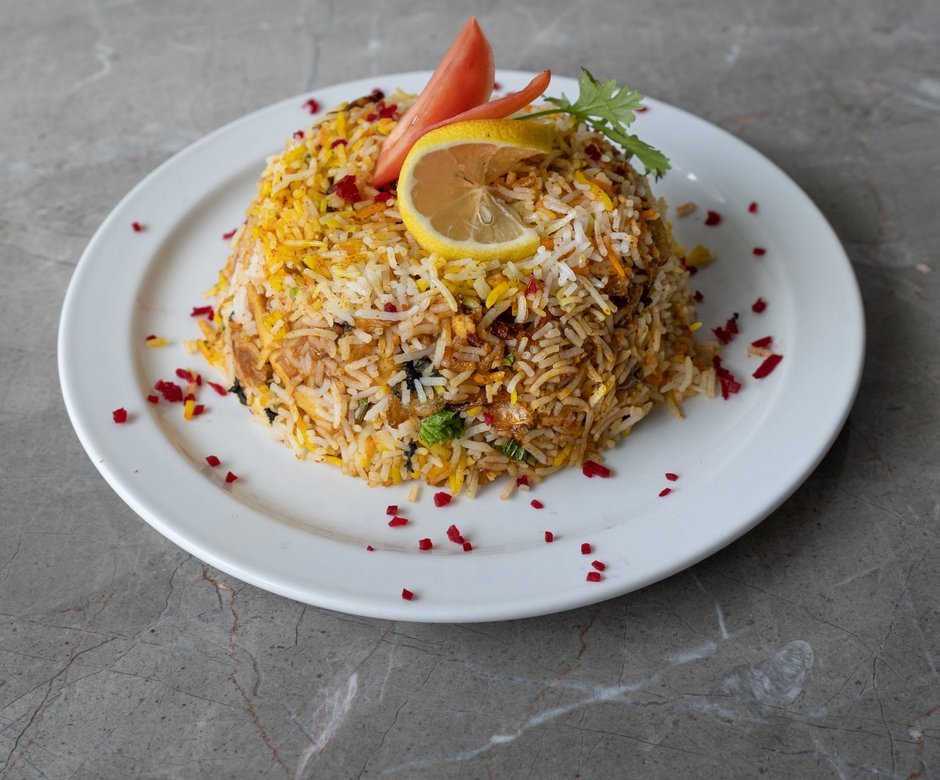
Fragrant layered biryani rice dish

Pulao vs. biryani

Both feature seasoned rice; biryani is generally more elaborate in technique, layering, and aroma.

04
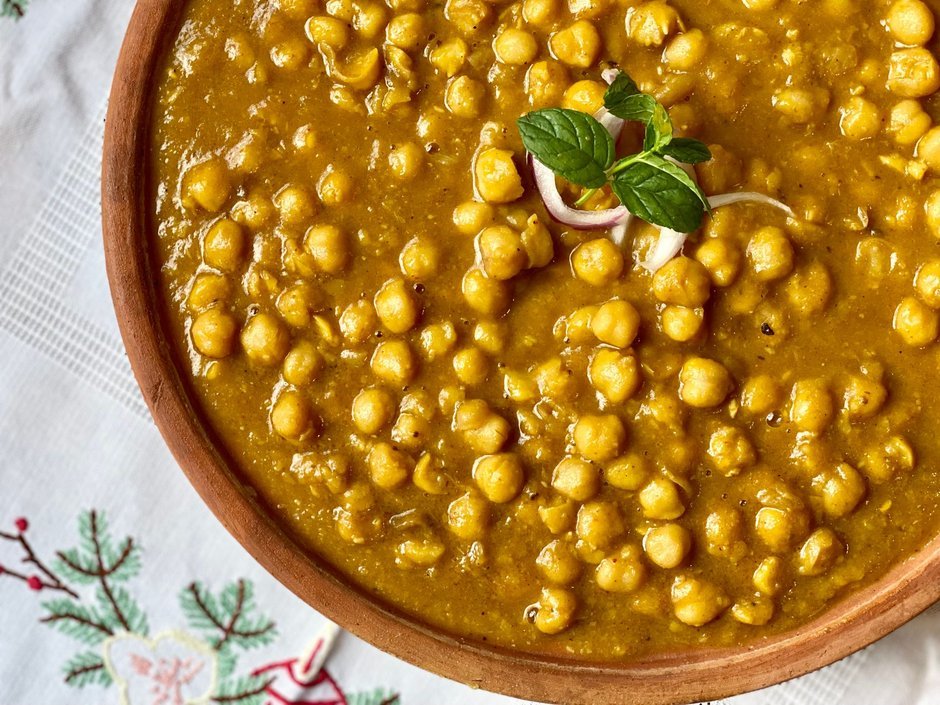
Traditional Indian chana masala with herbs

Dal vs. chana

Dal covers pulses and pulse dishes broadly; chana specifically points toward chickpeas.

05
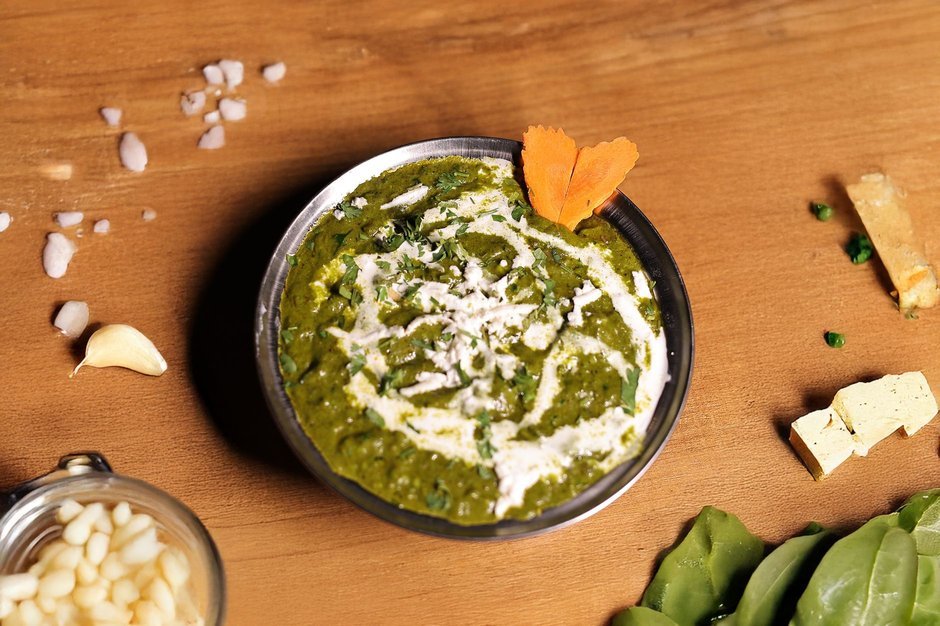
Vibrant green palak spinach curry

Saag vs. palak

Saag is a broader greens category, while palak specifically means spinach.

06
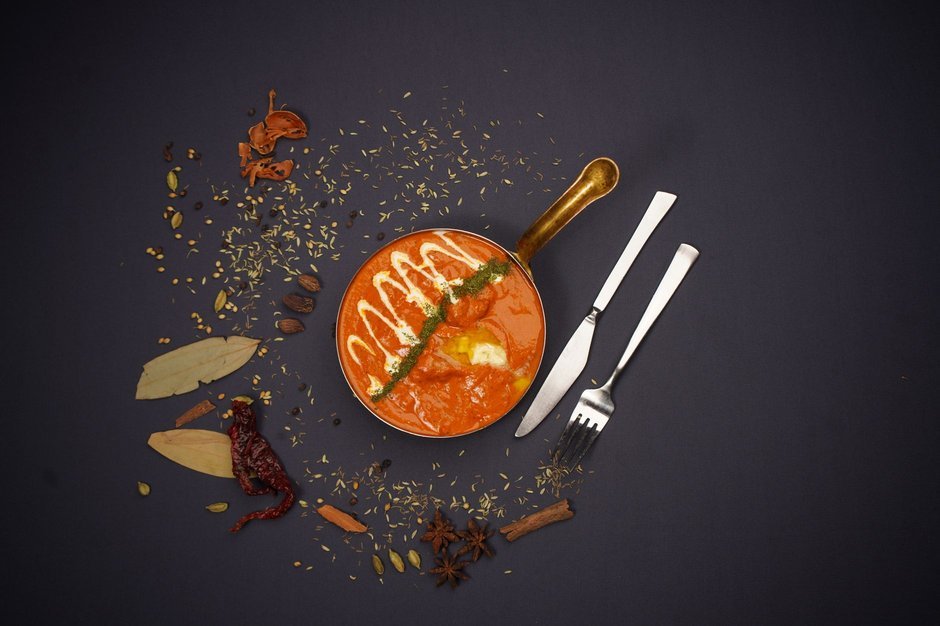
Rich tomato-based makhani curry in a pan

Korma vs. makhani

Both can be rich and mild, but their typical seasoning and sauce foundations are not interchangeable.

Photo credits

Photos via Pexels: Kunal Lakhotia, Nitai Mondal, Alberta Studios, Muhammad Khawar Nazir, Kiran More, Jack Baghel

Butter Chicken vs. Chicken Tikka Masala

Butter chicken points toward a buttery tomato sauce; chicken tikka masala describes chicken tikka served in a seasoned sauce whose recipe varies. Either can be creamy, tangy, or chile-hot. If you care about sweetness, texture, or heat, ask the restaurant how it prepares both dishes.

Read the full comparison and ordering questions →

Flagship Showdown 02

Tandoori vs. Tikka

Understanding the crucial difference between the cooking oven and the cut of meat.

The 30-Second Verdict

Tandoori describes food cooked in a tandoor and often marinated before roasting; the exact cut, temperature, and serving style vary. Tikka usually refers to smaller pieces of food. On many U.S. menus, chicken tikka is a grilled preparation, while chicken tikka masala adds a sauce, but the restaurant description is the best guide.

DimensionTandoori (Cooking Method)Tikka (Cut & Format)
Meat Cut UsedBone-in quarters, split drumsticks, whole chicken legs, or whole fish.100% boneless, skinless, uniform bite-sized cubes (breast, thigh, or paneer).
Cooking VesselTraditional cylindrical charcoal/gas clay tandoor oven.Skewered in a tandoor, on a gas grill, or under a kitchen broiler.
Sauce StatusAlways dry. Served on a sizzling platter with onions and lime wedges.Dry OR Sauced. Served dry as a starter or folded into a sauce (e.g., Tikka Masala).
Exterior TextureBlistered, smoky, charred skin and edges with deep caramelization.Tender, uniform, juicy exterior with light grill marks and no bone.
Heat & FlavorBold, smoky, and assertive. Chiles and mustard oil penetrate the meat.Balanced and savory. Yogurt keeps the interior mild and fork-tender.
American Flavor AnalogueChar-grilled bone-in Texas BBQ chicken quarters with dry rub.Grilled chicken skewers / souvlaki kabobs tossed with savory spices.
Best AccompanimentSliced raw red onions, fresh lime wedges, and cooling mint chutney.Rolled inside warm naan with pickled onions, or dipped in cucumber raita.

Order Tandoori (Chicken, Wings, or Fish) if you like:

  • Bone-in grilled chicken, smoky barbecue with charred crispy edges, and finger foods.
  • Lower-calorie, high-protein meals with zero heavy creams or buttery gravies.
  • Bright, punchy contrasts: squeezing fresh lime juice over sizzling hot spiced chicken.

Order Tikka (Chicken, Paneer, or Tofu) if you like:

  • Boneless, tender meat or cheese you can eat cleanly with a fork.
  • Wrapping grilled pieces inside a piece of naan bread with a dollop of chutney.
  • A versatile starter to share with friends before a meal.
Why is Tandoori chicken bright red at some U.S. restaurants?

Traditionally, the deep red color comes from Kashmiri red chili powder, which delivers vibrant ruby color with very mild heat. However, many American restaurants add red food coloring to make it visually pop.

Can you make authentic tandoori without a tandoor oven?

Yes. A high-temperature air fryer (400°F) or an oven set to high broil on a cast-iron sheet pan replicates the intense radiant heat and blistered edges of a clay oven.

Flagship Showdown 03

Dal Makhani vs. Dal Tadka

Decadent celebration lentils vs. light, everyday garlic comfort.

The 30-Second Verdict

Dal Makhani is a rich, decadent Punjabi celebration dish made from whole black lentils (urad dal) and red kidney beans (rajma), slow-simmered for hours with butter, heavy cream, and mild tomato sweetness. Dal Tadka is a light, savory, everyday comfort dish made from split yellow lentils (toor or masoor dal), finished with an aromatic tadka—hot ghee infused with sizzling cumin seeds, minced garlic, and dried red chiles poured over the top right before serving.

DimensionDal MakhaniDal Tadka
Lentil VarietyWhole black lentils (sabut urad) + red kidney beans (rajma).Split yellow pigeon peas (toor dal), red lentils (masoor), or yellow moong.
Cooking MethodGentle, slow simmer (often 3 to 8 hours) until lentils release starches.Quick boil (20–30 mins) until tender, then finished with a hot tempered oil pour.
Texture & MouthfeelVelvety, creamy, thick, and gravy-like. Coats a spoon completely.Brothy, tender, spoonable stew with visible whole cumin seeds and garlic slivers.
Dominant FlavorRich butteriness, gentle tomato sweetness, and earthy warmth.Punchy roasted garlic, toasted cumin, ginger brightness, and fresh cilantro.
Fat SourceHeavy cream and cultured butter stirred directly into the lentils.1 to 2 tablespoons of ghee or oil used to bloom spices in the final temper.
American Flavor AnalogueCreamy Cuban black bean soup crossed with slow-cooked barbecue chili.Rustic American yellow split-pea soup finished with hot garlic-herb oil.
Best Starch PairingTandoori Garlic Naan (thick enough to scoop without tearing).Steamed Basmati Rice (light enough to pour over and soak into rice).

Order Dal Makhani if you like:

  • Rich, velvety soups like clam chowder, black bean stew, or creamy chili.
  • Tearing off pieces of buttered naan and scooping up thick, indulgent gravy.
  • A mild, deeply comforting dish with zero sharp acid or assertive chile bite.

Order Dal Tadka if you like:

  • Rustic yellow split-pea soup, garlic broths, or light lentil stews.
  • Bright, aromatic flavors: biting into crispy fried garlic, roasted cumin seeds, and fresh cilantro.
  • Pouring warm, golden lentils over a bowl of steamed basmati rice.
Is Dal Tadka vegan?

Often, but not always. The traditional finishing fat is ghee (clarified butter). Ask the kitchen: “Can you make the tadka with vegetable oil instead of ghee?” If so, the dish is 100% vegan.

Why does traditional Dal Makhani take so long to cook?

Whole black lentils have a tough outer husk that requires 8–12 hours of soaking and a multi-hour gentle simmer to break down into a creamy texture. Using canned black beans at home cuts this down to 20 minutes.

A better comparison method

Compare the eating experience, not just the name

Two dishes can look similar on a menu while differing in texture, cooking method, richness, or role in the meal. Use four questions: What is the main ingredient? Is the food dry, grilled, fried, or sauced? What usually provides richness or acidity? Is it a main dish, bread, rice dish, snack, or accompaniment?

Texture

Dry, crisp, soft, or saucy?

Tandoori items are often drier than curries. Chaat usually depends on crisp-soft contrast. Rice dishes range from separate grains to softer one-pot preparations.

Richness

Where does the body come from?

Butter, cream, yogurt, coconut, nuts, legumes, and reduced onions can all create richness. A pale or creamy appearance does not identify one universal sauce.

Heat

Names are imperfect heat guides

Restaurant recipes vary. Vindaloo commonly signals chile and tang, while korma is often gentler, but the kitchen's own spice scale is more useful than assumptions.

Meal role

Choose contrast across the table

Pair a rich main with a grilled or vegetable-forward dish, then choose rice or bread according to the sauces rather than ordering several similar plates.

Naan vs. Roti vs. Paratha

Naan is often a thicker, leavened bread; the whole-wheat roti commonly called chapati is usually thinner and unleavened. These are useful starting points, not definitions covering every regional bread. Ask which roti and naan the restaurant serves.

Paratha is another broad bread category, with layered and stuffed preparations. Ask about the specific bread, its filling, and added fats.

Read the full comparison and ordering questions →

Flagship Showdown 05

Paneer vs. Tofu

The definitive Indian cooking and substitution guide: texture, flavor absorption, nutrition, and the 3 golden rules for cooking tofu in curry.

The 30-Second Verdict

Paneer is fresh, non-melting acid-set cheese made from whole cow or buffalo milk. It is dense, sweet, milky, and rich, retaining a tender, creamy core while softening in gravies. Tofu (specifically extra-firm or super-firm pressed tofu) is coagulated soy milk curd that is porous, lean, and neutral. It acts like a flavor sponge, absorbing surrounding spices, and develops firm, golden crispy edges when pan-seared or air-fried—providing a 100% vegan, dairy-free alternative.

DimensionPaneer (Indian Farmer’s Cheese)Extra-Firm Tofu (Soy Curd)
Base IngredientWhole cow’s or buffalo’s milk.Whole soybeans and filtered water.
Coagulating AgentHeat + food acid (lemon juice, vinegar, or citric acid).Mineral salts (calcium sulfate or nigari).
Texture & MouthfeelDense, tender, milky chew; non-melting; softens in hot gravy.Porous, springy, firm, and slightly spongy; holds crisp edges.
Flavor AbsorptionSurface Cling: Sauce coats the outside; core stays milky.Internal Sponge: Porous structure pulls marinades into the core.
Pre-Cooking PrepNone required: Cube and cook directly (warm soak optional).Mandatory pressing: Press water out for 15 mins (unless using super-firm).
High-Heat SearingDevelops a delicate golden blistered skin; interior stays soft.Develops firm, golden crispy edges without melting.
Calorie & Fat ProfileHigh calorie & fat: ~280–320 kcal • 22–25g fat per 100g.Low calorie & lean: ~80–100 kcal • 4–6g fat per 100g.
Protein (Approximate)~18g complete dairy protein per 100g.~10g–14g complete plant protein per 100g.
Dietary ProfileVegetarian, gluten-free, high dairy, low lactose.100% Vegan, dairy-free, gluten-free, contains soy.
American AvailabilityTrader Joe’s, Costco, Whole Foods, Indian grocers.Ubiquitous in the produce section of every U.S. grocery store.
Best Dish PairingsRich, velvety gravies: Palak Paneer, Shahi Paneer, Tikka Masala.Dry stir-fries & skewers: Tofu Tikka, Jalfrezi, vegetable curries.

Choose Paneer if you like:

  • Halloumi, queso blanco, or rich, comforting dairy textures.
  • Classic restaurant comfort foods like Palak Paneer, Paneer Makhani, or Rao’s 15-Minute Tikka Sauce.
  • A cheese that naturally softens in simmering sauce without disintegrating.

Choose Tofu if you like:

  • 100% plant-based, vegan, or strictly dairy-free weeknight dining.
  • High-protein meals with ~70% fewer calories and ~75% less saturated fat than cheese.
  • Crispy, air-fried golden bites like our Air Fryer Tofu Tikka Bites that hold onto dry spices.

The 3 Golden Rules for Swapping Tofu into Indian Curries

Dropping raw, wet tofu straight into simmering gravy dilutes the sauce and leaves you with rubbery, bland cubes. Follow these three practical rules for near-paneer chew:

Rule 1: Extra-Firm or Super-Firm ONLY Never use soft or silken tofu. Look for “Extra-Firm” in water tubs, or buy vacuum-packed “Super-Firm” / “High-Protein” tofu (stocked at Trader Joe’s, Whole Foods, or Costco). Super-firm tofu contains minimal water and requires zero pressing—just pat dry and cube directly.
Rule 2: The 15-Minute Moisture Press If using water-packed extra-firm tofu, wrap the block in paper towels and set a heavy skillet or canned goods on top for 15 minutes. Expelling excess water prevents oil splattering when cooking and ensures the tofu absorbs spiced curry sauce instead of water.
Rule 3: Pan-Sear or Air-Fry Before Simmering Toss pressed cubes with a pinch of cornstarch, turmeric, and salt. Pan-sear in 1 tbsp oil for 5 minutes or air fry at 400°F for 10 minutes until golden. This creates a protective crust that keeps the cubes from crumbling when folded into bubbling curry sauce.
Does tofu taste like paneer in an Indian curry?

Not by itself. Raw tofu is neutral and lacks paneer’s sweet, milky dairy flavor. However, because Indian curries are rich in aromatics (garlic, ginger, cumin, garam masala), pressed extra-firm tofu absorbs those flavors deeply into its porous core. In hearty dishes like Tikka Masala or Jalfrezi, the texture and chew are remarkably satisfying.

How do you keep store-bought paneer soft and prevent rubbery texture?

Overcooking is the primary cause of rubbery paneer; it only needs 2 to 3 minutes of gentle simmering in hot sauce. A reliable traditional technique is to soak seared paneer cubes in a bowl of warm, lightly salted water for 10 minutes before sliding them into the gravy, which plumps the protein structure.

Is store-bought paneer better than homemade?

Commercial vacuum-packed paneer (brands like Gopi, Haldiram’s, or supermarket brands) is pressed with mechanical weights, giving it a much denser, firmer structure that sears cleanly without crumbling. Homemade paneer is fresher and softer, but can break down easily if not pressed under heavy weight for at least an hour.

Rice guide

Biryani vs. pulao: start with method and intensity

Biryani usually aims for a more elaborate, aromatic centerpiece, often layering rice with a seasoned component. Pulao generally uses a simpler one-pot or absorption method and may be a main or side. Those are tendencies rather than rigid rules; regional and family preparations vary.

Biryani

Expect: pronounced aroma, carefully cooked rice, layered seasoning, and a complete-dish feel. Accompaniments may include raita or a simple salad.

Pulao

Expect: a more restrained seasoned rice preparation whose vegetables, poultry, or other additions commonly cook with the rice.

Restaurant reality

Verify: portion size, included protein or vegetables, spice level, nuts, dairy, and whether the dish is intended for sharing.

Sauce families

Choose by flavor direction

TermCommon directionVariation to expect
MakhaniButtery, often tomato-centered and enriched with dairy.Sweetness, cream level, and chile heat differ by kitchen.
KormaRich and gently spiced, sometimes based on yogurt, nuts, coconut, cream, or a combination.Regional versions can be substantially different; ask about nuts and dairy.
SaagLeafy-greens-centered preparation.The greens, texture, dairy, and main ingredient vary.
PalakSpinach specifically.It may be smooth or rustic and paired with paneer, legumes, vegetables, poultry, or other ingredients.
VindalooTangy, chile-forward preparation with Goan roots.Restaurant heat and sweetness vary; a menu label alone cannot confirm intensity.

Before ordering

Five questions that resolve most uncertainty

Texture

“Is this served dry or with a sauce?”

Richness

“Does the sauce contain cream, butter, yogurt, coconut, or nuts?”

Heat

“How spicy is your version, and can it be adjusted?”

Portion

“Is this a main dish, side, or sharing portion?”

Dietary needs

State the specific allergy or restriction and ask about ingredients and cross-contact.

How we explain food

Clear enough to use.
Careful enough to trust.

Plain EnglishStart with the practical answer a US reader needs.
Meaningful nuanceIdentify regional and restaurant variation when it changes the answer.
Transparent evidenceSeparate sourced facts, editorial context, and genuine hands-on experience.