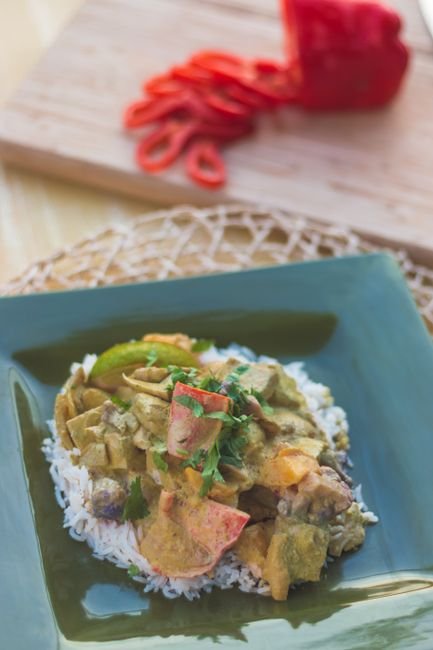
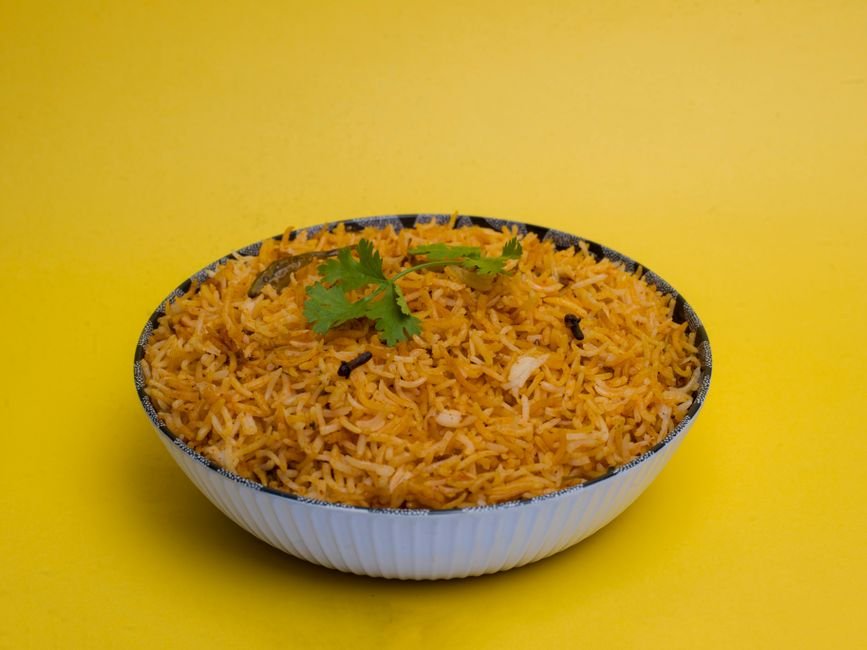
Know what you are ordering before it reaches the table.
Dish names often point to an ingredient, technique, region, or serving style. Use these signals to narrow your choices, then remember that recipes and restaurant versions can differ.
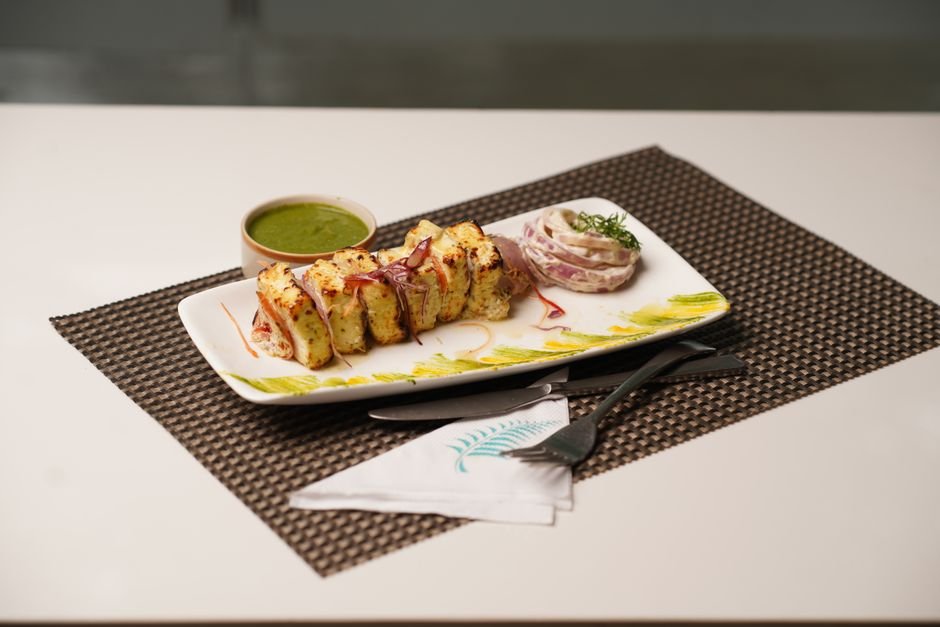
Tikka
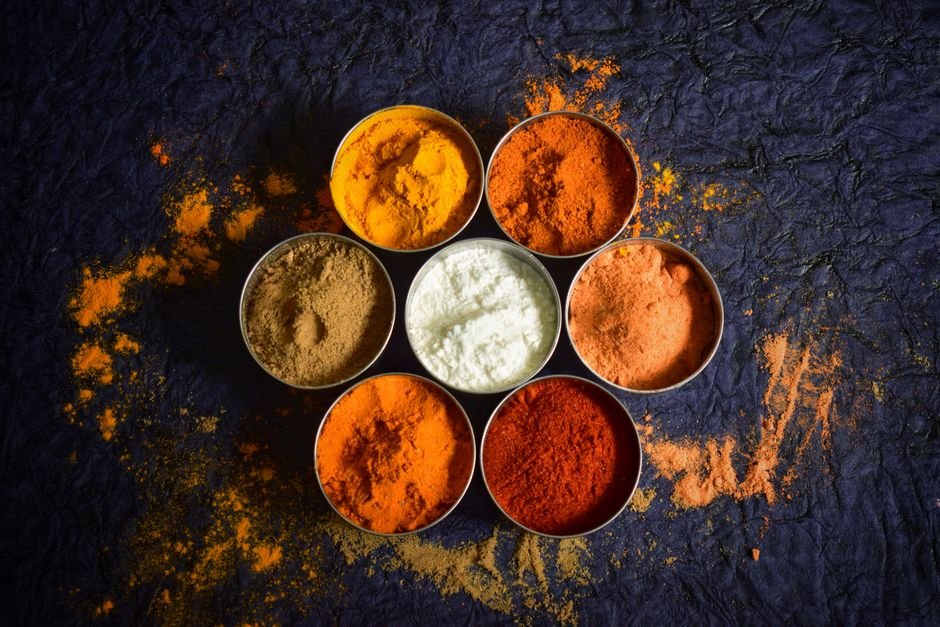
Masala
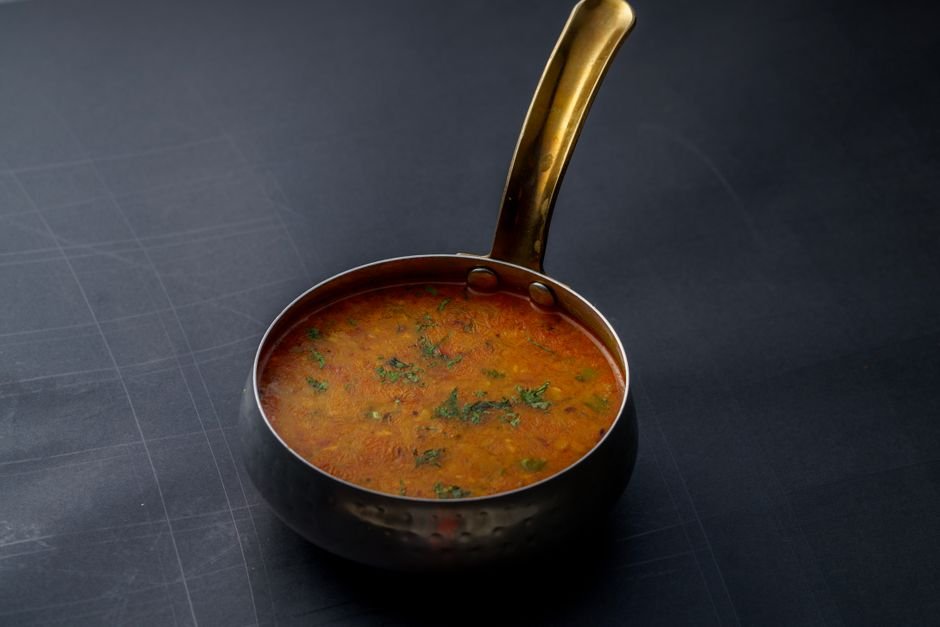
Dal
Start here
Six useful menu words
Short explanations now; deeper guides will be added as the library grows.
01
Tikka
Usually describes bite-size pieces that are marinated and cooked with high heat; it does not automatically mean a creamy sauce.
02
Masala
A broad word for a spice blend or a seasoned preparation—not one fixed flavor or heat level.
03
Dal
Can mean dried split pulses or a cooked dish made from lentils, peas, or beans.
04
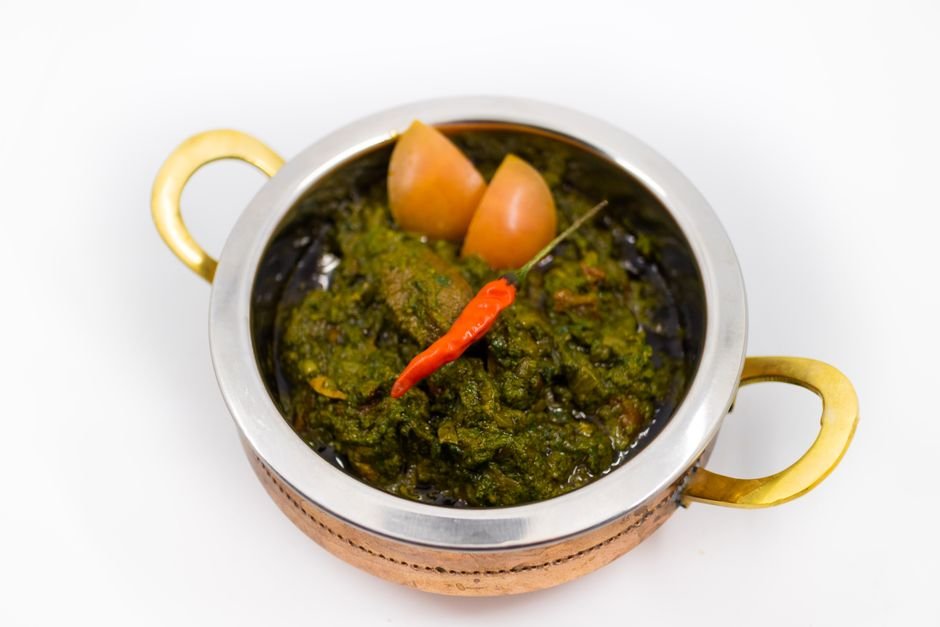
Saag
A preparation centered on leafy greens. The specific greens and texture vary by cook and region.
05
Korma
Typically a gently spiced, rich preparation; the sauce base and sweetness vary widely between kitchens.
06
Biryani
A layered or combined rice dish built around aromatic rice, spices, vegetables, poultry, seafood, eggs, or other variations.