TrendyTadka Learning Library

Regional Indian Food Guides

Explore a country of many food traditions.

There is no single Indian cuisine. Climate, local crops, faith, trade, migration, and family practice shape food across regions—and every short guide is only a starting point.

Start here

Regions to explore

Short explanations now; deeper guides will be added as the library grows.

01
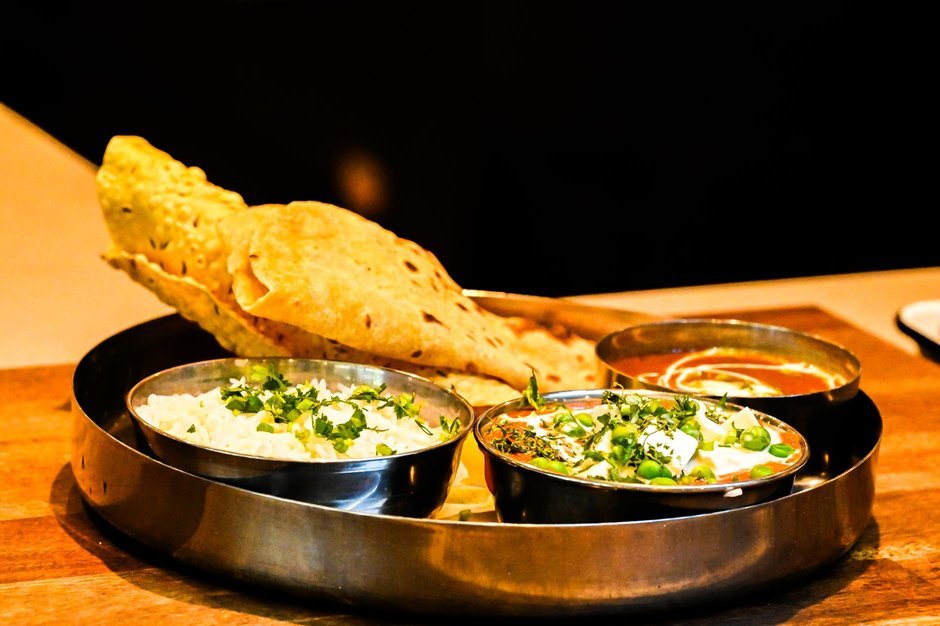
North Indian thali with naan, dal, and paneer

Punjab

Known for robust breads, legumes, dairy, and tandoor cooking, with meaningful variation across communities.

02
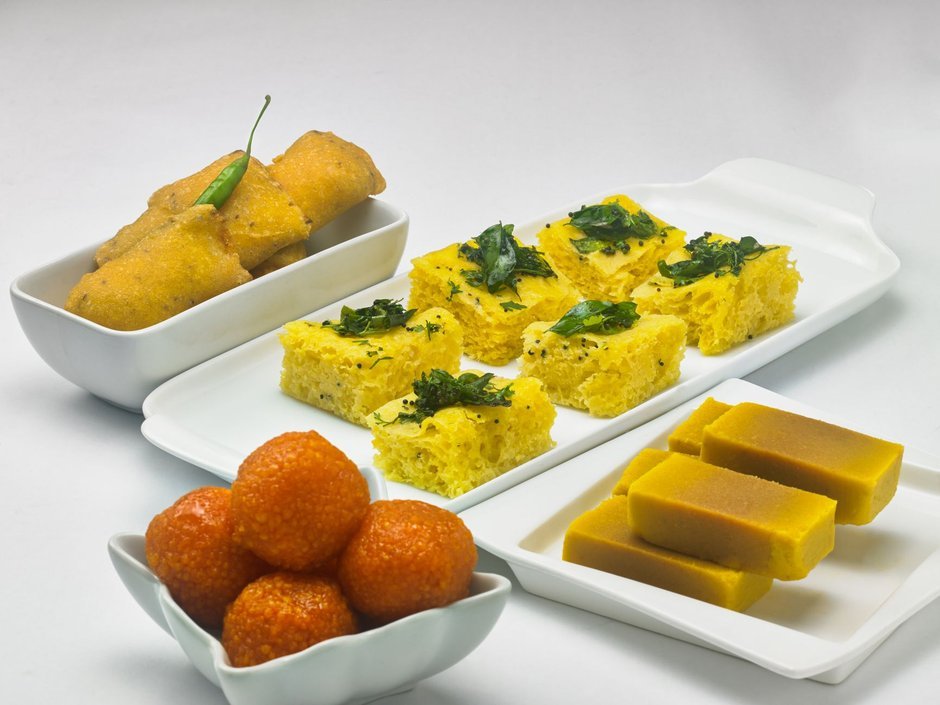
Assortment of traditional Gujarati savory snacks

Gujarat

A largely vegetarian food tradition that often balances sweet, sour, salty, and spiced elements.

03
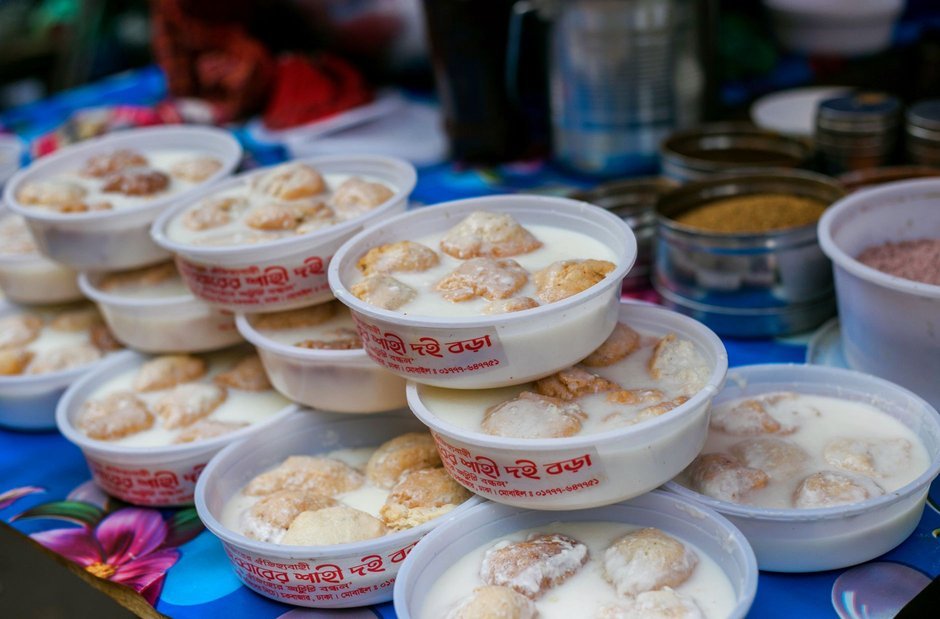
Classic sweet rasgulla from Bengal

Bengal

Rice, fish, mustard, vegetables, and sweets play important roles across a diverse regional table.

04
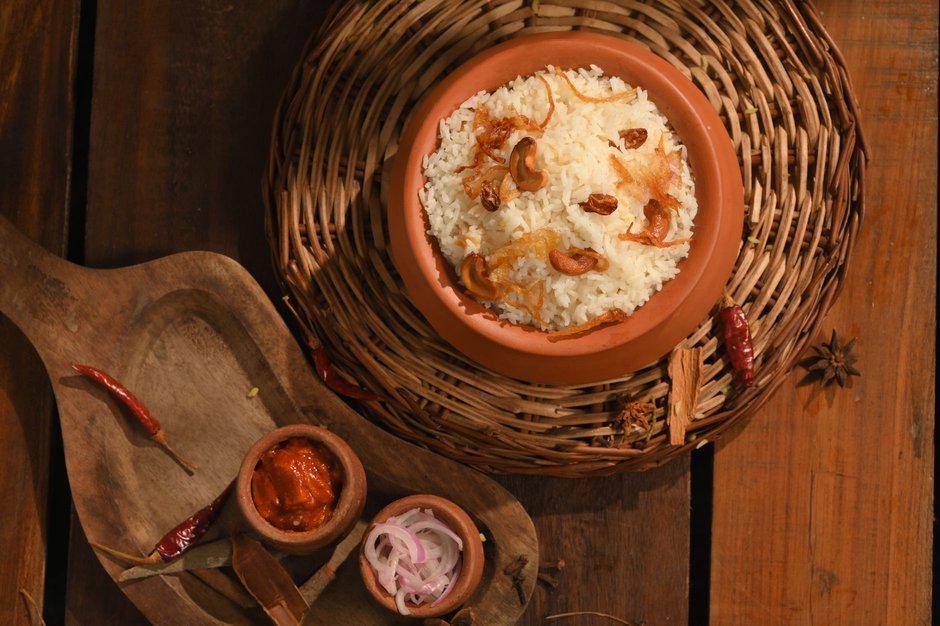
Traditional Kerala spiced rice and curry

Kerala

Coastal ingredients, coconut, rice, seafood, and layered spice combinations appear in many local traditions.

05
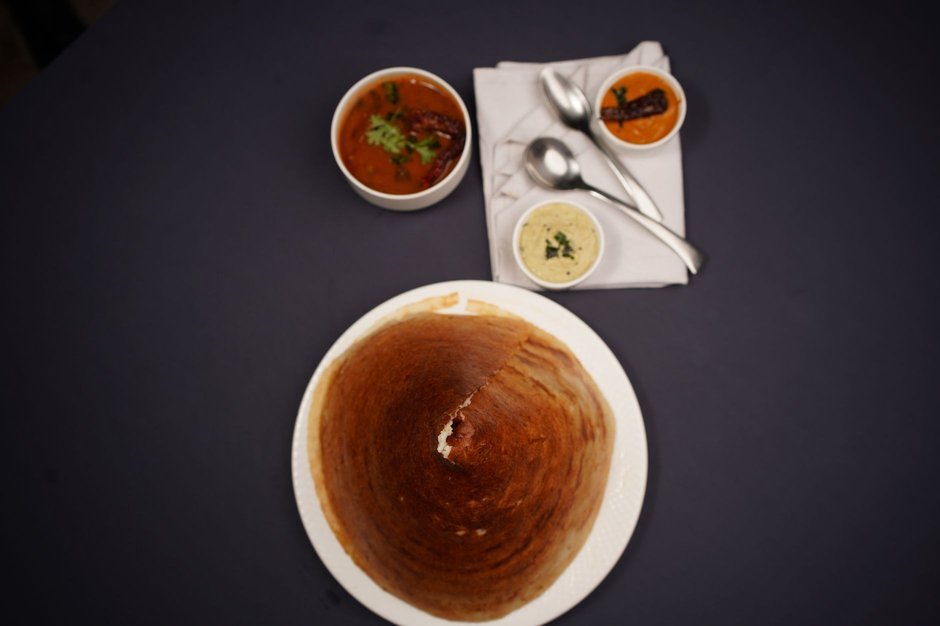
Crisp South Indian dosa with sambar and chutney

Tamil Nadu

Rice, lentils, tamarind, fermented batters, and distinct regional spice profiles shape many familiar foods.

06
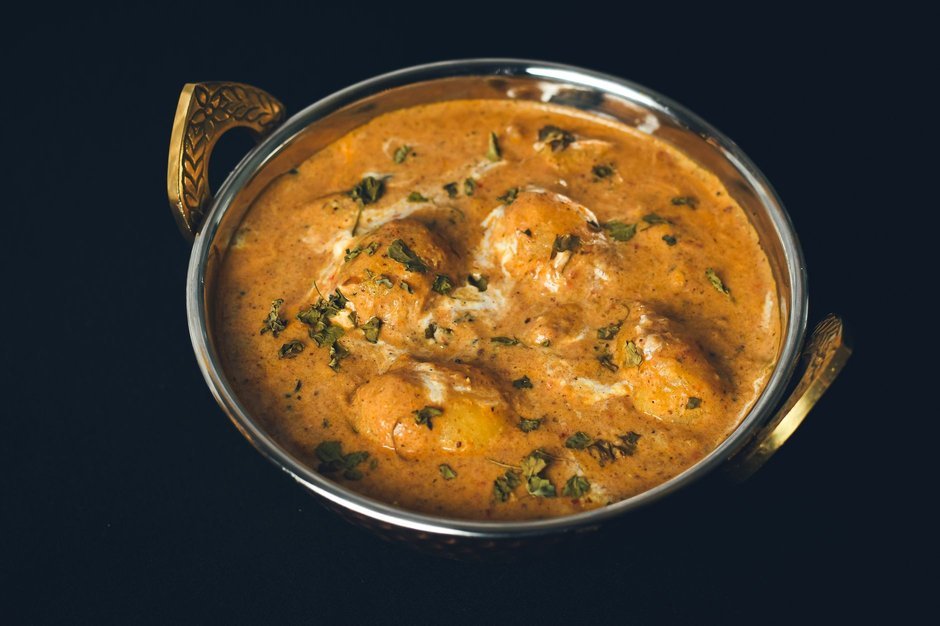
Rich coastal spiced curry bowl

Goa

Coastal cooking reflects local ingredients and centuries of cultural exchange, including prominent sour and aromatic notes.

Photo credits

Photos via Pexels: Eyes2Soul Eyes2Soul, Milton Das, Rayhan Ahmed, Shalini Shakthi, Jack Baghel, Pinaki Panda

Context before categories

Indian food is plural

India's food traditions reflect geography, climate, agriculture, religion, trade, migration, community, and household practice. State borders are not clean culinary borders, and restaurant menus outside India often combine dishes from several traditions. Use regional labels as a doorway, not a claim that every household cooks the same way.

Geography

Coasts, plains, hills, and dry regions

Local crops, seafood access, dairy traditions, and preservation needs influence everyday food.

Community

Faith and family practice

Vegetarian traditions, festival food, fasting practices, and community histories shape what is cooked and when.

Movement

Trade and migration

Ingredients and techniques travel. Restaurant food may reflect regional roots, diaspora adaptation, or several influences at once.

Language

Names change across languages

The same ingredient can have multiple names, while one familiar menu word may be used differently across kitchens.

Eight starting points

Look for patterns without flattening the regions

Starting pointUseful contextExamples to explore
PunjabWheat breads, legumes, dairy, farming traditions, and tandoor cooking are important reference points.Dal preparations, stuffed breads, tandoori dishes, seasonal vegetables.
GujaratStrong vegetarian traditions and careful balances of sweet, sour, salty, and spicy flavors.Dal, kadhi, steamed snacks, flatbreads, vegetable dishes.
BengalRice, fish, mustard, vegetables, lentils, and sweets appear across diverse Bengali traditions.Fish preparations, mustard-based dishes, dal, vegetable courses, sweets.
GoaCoastal ingredients and layered Hindu, Catholic, and Portuguese-influenced histories.Seafood, coconut, vinegar-seasoned dishes, breads, sweets.
KeralaCoastal abundance, coconut, rice, seafood, spices, and varied community traditions.Appam, stews, fish dishes, vegetable preparations, festive meals.
Tamil NaduRice, lentils, tamarind, vegetables, fermented batters, and distinct regional subtraditions.Dosa, idli, sambar, rasam, rice dishes, Chettinad preparations.
HyderabadDeccani courtly and local traditions meet in aromatic rice dishes, breads, meats, legumes, and sweets.Hyderabadi biryani, haleem traditions, mirchi preparations, desserts.
Indo-ChineseAn Indian culinary tradition shaped by Chinese communities and Indian tastes, especially in cities.Manchurian-style dishes, chile paneer, Hakka noodles, fried rice.

Read with care

Four accuracy rules for regional food

Avoid “the cuisine”

Use language such as “often,” “commonly,” or “one version” when variation is real.

Separate restaurant shorthand

A US restaurant category may not map neatly to a household or regional tradition.

Name adaptations

Shortcut and fusion recipes should say what they change and why.

Use sources

Historical or cultural claims deserve reliable references and, where possible, review by people with relevant lived knowledge.

A practical route

Begin with a dish, then widen the context

Choose a dish you already recognize, learn its central ingredient and technique, compare two regional or household versions, and then explore the breads, rice, vegetables, or accompaniments served with it. This creates a more accurate picture than memorizing a list of “famous foods.”

This library is being built carefully.Future regional guides will prioritize credible sourcing, variation notes, menu usefulness, and links to recipes that are clearly labeled as traditional, adapted, or fusion.

How we explain food

Clear enough to use.
Careful enough to trust.

Plain EnglishStart with the practical answer a US reader needs.
Meaningful nuanceIdentify regional and restaurant variation when it changes the answer.
Transparent evidenceSeparate sourced facts, editorial context, and genuine hands-on experience.