Build a useful pantry without buying twenty jars at once.
Start with familiar supermarket ingredients, add a few high-impact Indian staples, and learn when to bloom, grind, or finish with each one. This guide prioritizes what earns its space in an everyday American kitchen.
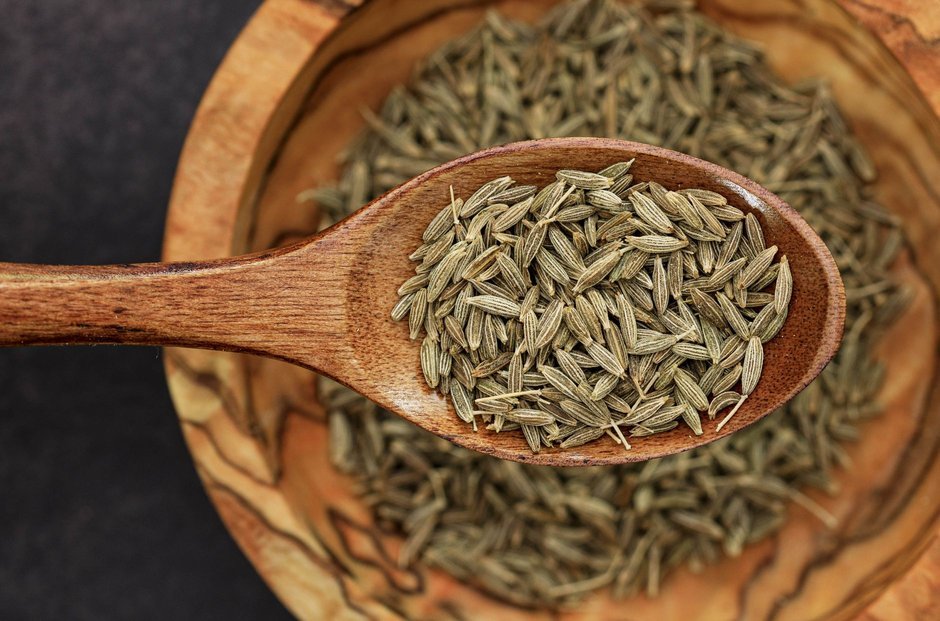
Cumin
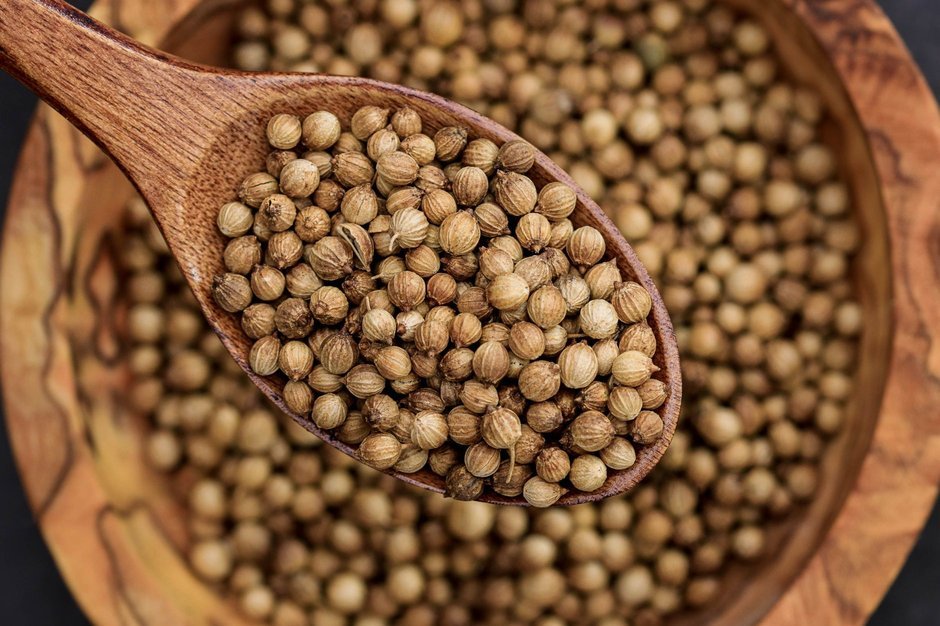
Coriander
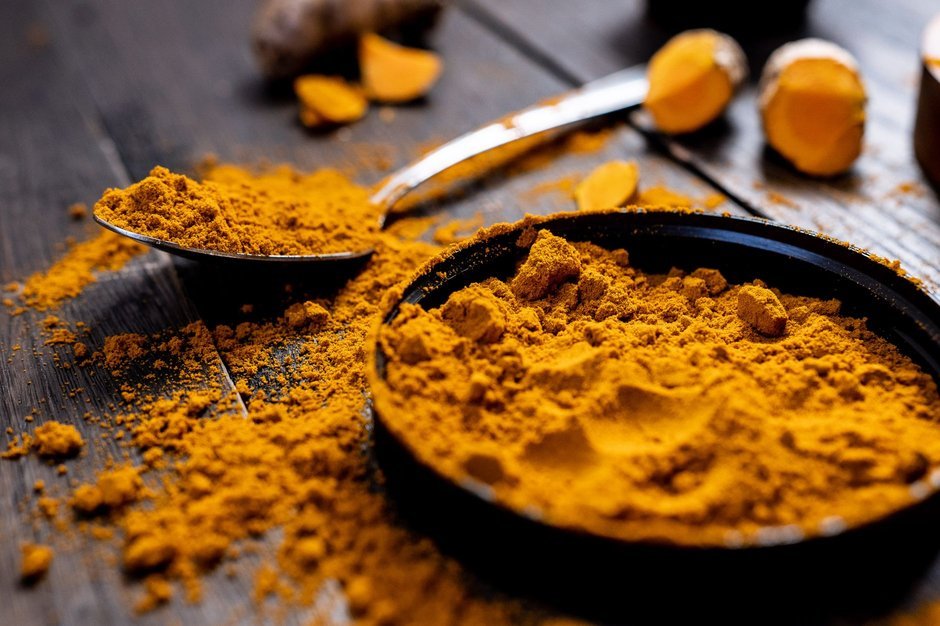
Turmeric
Start here
Six high-use pantry building blocks
Learn the flavor, best form, practical use, and limits of substitution.
01
Cumin
Earthy and warm; used as whole seeds or ground spice in tempering, blends, and savory dishes.
02
Coriander
The seeds bring a citrusy, gently sweet character that differs from fresh cilantro leaves.
03
Turmeric
Adds golden color and an earthy, slightly bitter note; a little usually goes a long way.
04
Garam masala
A finishing or seasoning blend whose exact ingredients and strength vary between brands and households.
05
Lentils and pulses
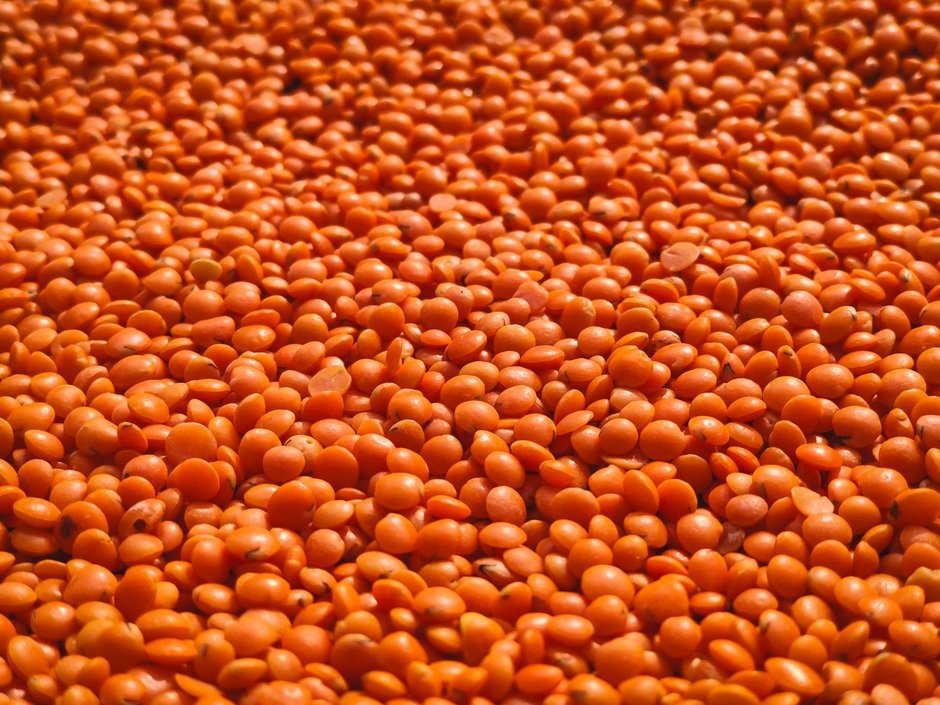
Red lentils, split peas, chickpeas, and beans cook differently and should not always be swapped one-for-one.
06
Ghee
Clarified butter; confirm its use if avoiding dairy.
You do not need every spice in a traditional Indian pantry to start cooking Indian-inspired weeknight food. Begin with the first tier; add the second only when your recipe list calls for it.
01
Start with these five
The weeknight core
Ground cumin: earthy warmth for beans, yogurt marinades, vegetables, and poultry.
Ground coriander: citrusy body that rounds out tomato-based sauces.
Turmeric: golden color and an earthy edge; use it sparingly.
Garam masala: an aromatic blend used modestly, often near the end.
Paprika plus cayenne: familiar spices that separate red color from adjustable chile heat.
02
Add when needed
The flavor expanders
Whole cumin seeds: bloom for a nuttier first layer of flavor.
Kasuri methi: dried fenugreek leaves crushed into creamy tomato sauces.
Chaat masala: a tangy, salty finishing blend for salads, fruit, snacks, and roasted vegetables.
Mustard seeds: a sharp, nutty tempering spice used in many regional dishes.
Green cardamom: floral warmth for rice, tea, desserts, and selected savory dishes.
Choose by function
What flavor does your dish need?
Spices do different jobs. This is a faster way to troubleshoot a dish than adding more of everything.
Flavor job
Reach for
How to use it
Easy mistake
Earthy warmth
Cumin
Bloom seeds early or cook ground cumin briefly with aromatics.
Burning ground spice in a dry pan.
Citrusy depth
Coriander seed
Use ground in sauces and marinades; toast whole seeds before grinding.
Confusing the seed with fresh cilantro.
Golden color
Turmeric
Add a small amount with other ground spices and cook briefly.
Using extra for color and making the dish bitter.
Aromatic finish
Garam masala
Add modestly near the end unless the recipe directs otherwise.
Treating every brand as equally strong.
Tang without liquid
Amchur or chaat masala
Sprinkle near the end, then taste before adding more salt.
Forgetting that chaat masala is already salty.
Fresh chile heat
Serrano or jalapeño
Add with aromatics; remove inner ribs for a gentler result.
Assuming every pepper has the same heat.
Signature aroma
Kasuri methi
Crush a small pinch between your palms and add at the finish.
Using fresh fenugreek leaves as a direct equivalent.
Technique matters
Four ways to get more flavor from the same jar
1
Bloom
Cook spices briefly in warm fat until fragrant. Keep wet ingredients ready so the spices do not scorch.
2
Toast
Warm whole spices in a dry pan only until aromatic, then remove them promptly. Dark or smoking spices can taste harsh.
3
Layer
Use whole spices early, ground spices with aromatics, and selected finishing blends or dried herbs near the end.
4
Taste after simmering
Salt, acid, dairy, tomatoes, and reduction change how spices register. Adjust only after the sauce develops.
Hot oil safety: whole seeds can sputter. Use dry utensils, keep your face back, and use a splatter screen when helpful.
American-pantry bridge
Useful substitutions—and where they stop working
A substitute should preserve the ingredient’s job, not pretend to be identical.
If you do not have
Use
What changes
Kashmiri chile powder
Sweet paprika plus cayenne to taste
Similar control over color and heat, but not the same chile aroma.
Ghee
Unsalted butter or neutral oil
Butter can brown sooner; oil loses the buttery aroma.
Amchur
Lemon juice added at the end
Adds acidity but also moisture and a fresh citrus flavor.
Paneer
Extra-firm tofu where the recipe allows
Texture, browning, and flavor differ; this is an adaptation, not a direct replacement.
Fresh green chile
Jalapeño or serrano
Heat varies pepper to pepper; begin with less and taste.
Fresh ginger
Ground ginger only when necessary
It is warmer and less fresh; begin with roughly one quarter of the stated fresh amount.
Kasuri methi
Omit it
There is no close mainstream substitute; the dish loses its distinctive aroma.
Protect the pantry
Store spices for flavor, not decoration
Heat, light, air, and moisture accelerate flavor loss. Keep spices away from the stove and do not shake a jar over a steaming pot.
Label the opened dateAroma is a better freshness test than a distant expiration date.
Buy whole when practicalWhole cumin and coriander generally hold aroma longer than pre-ground spice.
Use airtight containersClose lids immediately and use a clean, dry measuring spoon.
Check before replacingRub a small pinch between your fingers. If its expected aroma is faint, replace it.
Cook from this guide
Put the starter pantry to work
These recipes use overlapping spices so a new jar earns its place across more than one dinner.
What are the five best Indian spices for beginners?
For this site’s weeknight recipes, begin with ground cumin, ground coriander, turmeric, garam masala, and paprika plus cayenne. Choose recipes first so every purchase has a planned use.
Are Indian spices always hot?
No. Many contribute aroma, color, bitterness, sweetness, or warmth without chile heat. Fresh and dried chiles supply most adjustable heat.
Should spices go into the pan before or after liquid?
Many recipes briefly cook spices in fat with aromatics before adding liquid. The order depends on whether a spice is whole, ground, or intended as a finish, so follow the individual recipe.
Can I use curry powder instead of garam masala?
Not as a direct one-for-one replacement. Both are variable blends, but they can contain different spices and are often used at different stages.
Do I need a separate spice grinder?
No for the starter pantry. Pre-ground spices are practical for weeknight cooking. A grinder becomes useful if you regularly toast whole spices or make fresh blends.
How we explain food
Clear enough to use. Careful enough to trust.
Plain EnglishStart with the practical answer a US reader needs.
Meaningful nuanceIdentify regional and restaurant variation when it changes the answer.
Transparent evidenceSeparate sourced facts, editorial context, and genuine hands-on experience.