Your clear, beginner-friendly roadmap to ordering, shopping, and understanding Indian food with zero intimidation.
Indian cuisine is one of the world's most vibrant food cultures. You do not need to memorize dozens of regional dialects or buy a 30-spice pantry to enjoy it. Follow our four-step pathway, guided by Chef Vikram Sharma, to build your dining confidence and cooking curiosity.
1. Decode the Name
2. Predict the Plate
3. Check Dietary Notes
Start here
The four-step beginner roadmap
Follow this sequential four-step pathway to build lifelong dining and cooking confidence.
01
1. Decode the Name
Most Indian menu names combine an ingredient with a cooking style or sauce base. Identify the building blocks, and you can predict dozens of unfamiliar dishes.
02
2. Predict the Plate
Before ordering, gauge texture, richness, and heat tendencies rather than guessing. Discover which dishes are creamy, dry-spiced, or tangy.
03
3. Check Dietary Notes
Understand how dairy (ghee, cream, paneer), tree nuts (cashew pastes), and gluten (breads vs. rice) appear in traditional and restaurant kitchens.
04
4. Explore Regional Context
Move beyond generic "curry" to appreciate Punjab, Gujarat, Bengal, Kerala, and beyond—honoring real culinary traditions and local produce.
05
Build Your First Order
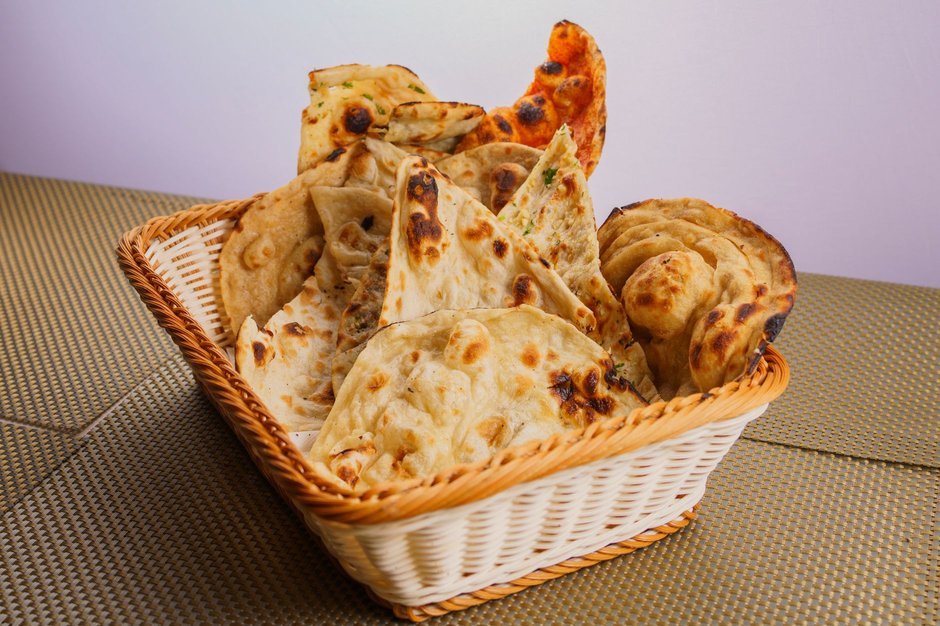
Pair one protein or vegetable centerpiece with a comforting lentil dal, fragrant basmati rice, and warm flatbread for a balanced table.
06
Demystify Spices
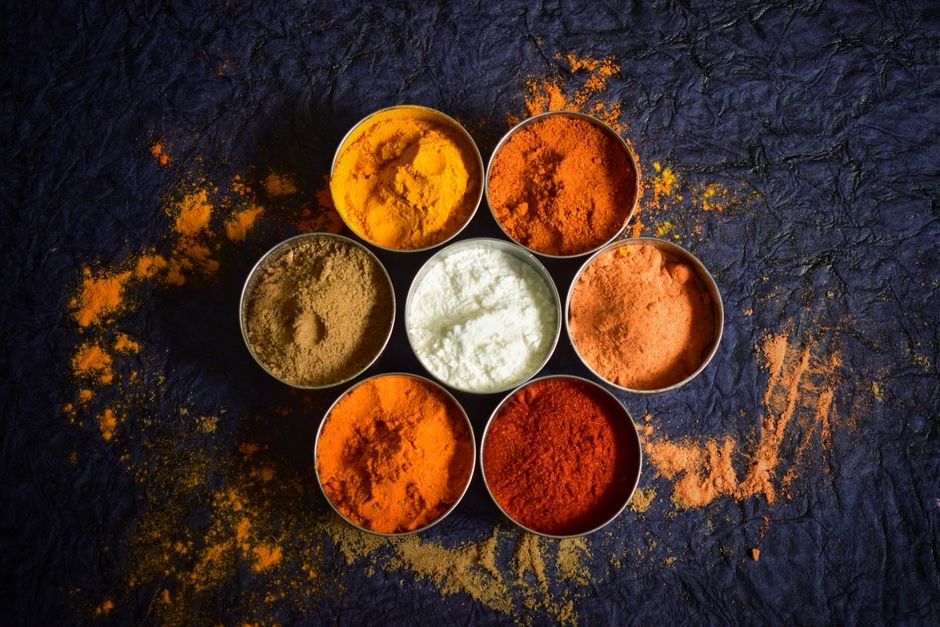
Indian spices are about layered aroma, warmth, and balance—not burning heat. Learn when to bloom, grind, or finish.
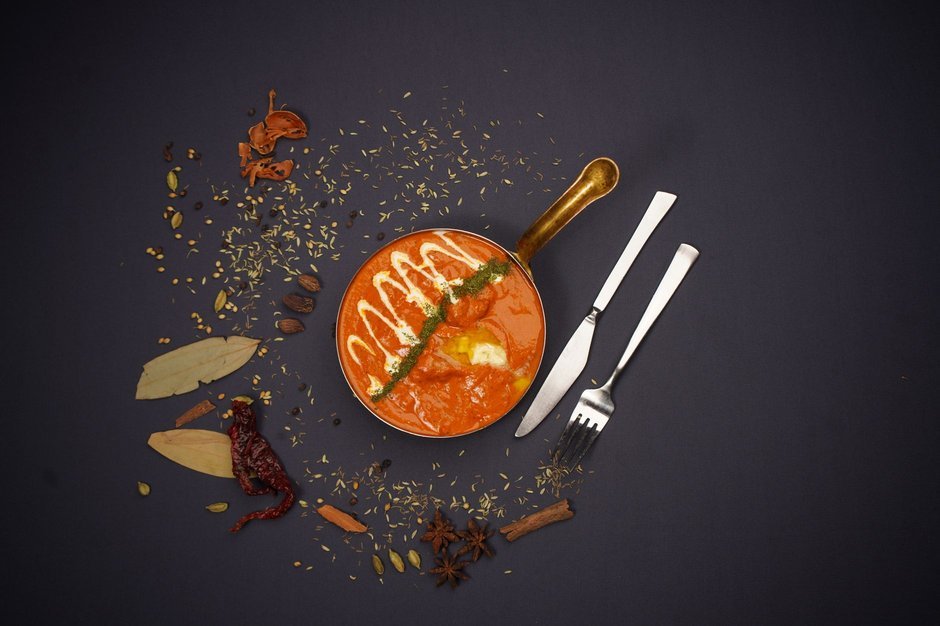
Ask yourself what texture and richness you want: A smooth, mild, creamy gravy (Korma or Makhani)? A savory, onion-and-tomato sauce (Tikka Masala)? Or a dry-spiced grilled preparation with no heavy sauce (Tandoori)?
Clarify culinary details without stress: Ghee (clarified butter) and cream are standard in rich North Indian gravies; ground cashews often thicken kormas; and flatbreads (naan, roti) contain wheat gluten, while basmati rice is naturally gluten-free.
Indian cuisine is not a monolith. Punjab favors tandoor breads and rich dairy; Gujarat excels in plant-based, sweet-sour balances; Bengal brings mustard and fish; and Kerala highlights coconut and coastal spices.
What to Order on Your Very First Indian Restaurant Visit
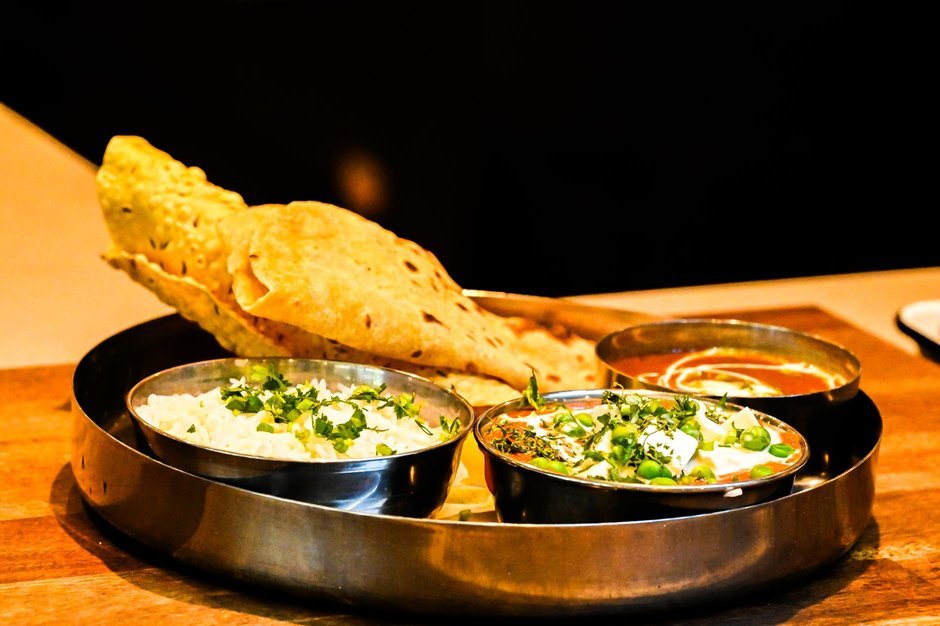
When walking into an Indian restaurant for the first time, balance is everything. Don't order three rich gravies. Build a harmonious table with one centerpiece dish, one comforting lentil dal, fragrant basmati rice, and warm flatbread.
Poultry Diners
The Classic Introduction
A welcoming, crowd-pleasing combination with gentle acidity, comforting richness, and savory flatbread.
Main: Butter Chicken (Murgh Makhani) or Chicken Tikka Masala
Dal: Yellow Tadka Dal (mild, garlicky lentils to balance the rich sauce)
Carbs: Steamed Basmati Rice + Garlic Naan
Cooling Side: Cucumber Raita (seasoned yogurt)
Chef's Note: Ask for "Mild" heat. The natural sweetness of tomato, butter, and cream will shine through without burning your palate.
Vegetarian Diners
The North Indian Vegetarian Feast
Celebrates India's centuries-old vegetarian tradition with wholesome legumes and fresh cheese.
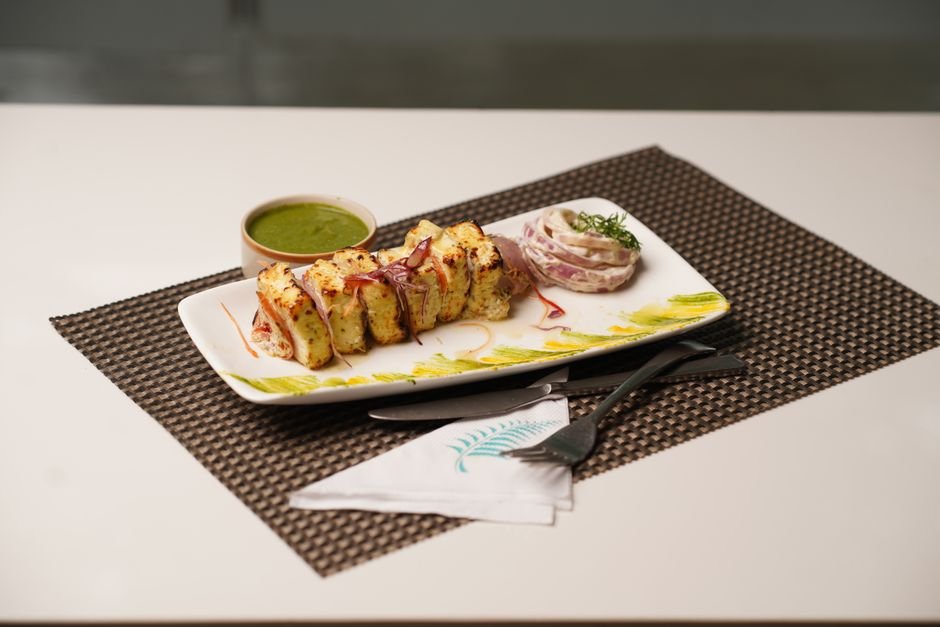
Main: Palak Paneer (fresh cottage cheese in spiced spinach) or Paneer Tikka Masala
Dal: Dal Makhani (slow-simmered whole black lentils with butter and cream)
Carbs: Jeera Rice (cumin-scented basmati) + Butter Naan or Roti
Appetizer: Vegetable Samosas with tamarind and mint chutneys
Chef's Note: Paneer doesn't melt like cheddar; it absorbs surrounding spices like a sponge while retaining a tender, bouncy chew.
Plant-Based / Dairy-Free
The Vibrant Vegan Table
Hearty, protein-packed, and naturally satisfying without relying on butter, cream, or dairy.
Main: Chana Masala (tender chickpeas in tangy onion-tomato gravy)
Vegetable: Aloo Gobi (pan-roasted spiced potatoes and cauliflower florets)
Carbs: Steamed White Basmati Rice + Plain Tandoori Roti (request without butter/ghee)
Chef's Note: Always specify to your server: "No ghee or butter on the roti or lentils, please use neutral oil."
Flavor Over Fire
Understanding Heat & Spices: How to Talk to Your Server
One of the biggest anxieties for American diners is the spice level. Here is the culinary truth: in traditional Indian cooking, "spicy" means aromatic and heavily seasoned, not necessarily capsaicin-hot.
Aromatic Spices vs. Chile Heat
Spices like cumin, coriander, turmeric, cardamom, cinnamon, and cloves have zero capsaicin heat. They provide fragrance, earthiness, citrus sweetness, and warmth.
Chile heat comes solely from green chiles (hari mirch) and red chili powder (lal mirch). A dish can be deeply spiced with 10 aromatics while remaining completely mild on your tongue.
Restaurant heat scales vary widely from one establishment to another. Use these clear, unambiguous scripts:
"I am sensitive to heat, but I love flavor. Can you prepare this with mild chile heat while keeping the full aromatics?"
"If a dish gets too hot for you, remember: capsaicin is fat-soluble. Drinking water won't help; order a glass of Mango Lassi or a bowl of Cucumber Raita. Dairy protein (casein) strips capsaicin off your taste receptors immediately."
Culinary Reality Check
Three Common Myths About Indian Food
Clearing up common misconceptions that keep beginners from exploring Indian cuisine.
Myth: "Curry powder is authentic Indian spice."
Reality: Commercial yellow "curry powder" is an 18th-century British invention. Traditional Indian kitchens do not use a generic single powder. Every dish is seasoned with its own deliberate blend of whole and ground spices tailored to that specific ingredient.
Myth: "All Indian food will upset sensitive stomachs."
Reality: While rich restaurant banquet sauces (cream and butter) can be heavy, everyday Indian homestyle cooking is exceptionally wholesome—featuring fiber-rich lentils, whole vegetables, digestive spices (cumin, ginger, asafoetida), and fermented grains.
Myth: "You need 25 spices to cook Indian food at home."
Reality: You can cook dozens of incredible dishes with just five staples: whole cumin seeds, ground coriander, turmeric, garam masala, and red chili powder. All five are readily available at your local supermarket.
Continue Your Journey
Explore the Five Educational Pillars
Ready to go deeper? Dive into our comprehensive reference hubs: